Understanding Bed Bug Heat Treatment
What is Bed Bug Heat Treatment?
Bed bug heat treatment is an innovative pest control method that employs high temperatures to eliminate bed bugs from an affected area. This technique works by raising the temperature in an environment to a level lethal to bed bugs, typically around 140°F (60°C) or higher. Unlike chemical treatments, heat treatment is a eco-friendly solution as it is non-toxic and can effectively eradicate all life stages of bed bugs, including eggs, nymphs, and adults. As a result, it's gaining traction among homeowners and pest control professionals seeking to address infestations effectively. To learn more about the practical applications of bed bug heat treatment, let's delve deeper into how this process works.
How Heat Treatment Works
The fundamental principle behind heat treatment lies in the vulnerability of bed bugs to extreme temperatures. When subjected to temperatures exceeding 120°F (49°C) for a sustained period, bed bugs and their eggs can be killed. The heat penetrates walls, floors, and furniture, reaching hidden nests, making it one of the most effective methods to control infestations.
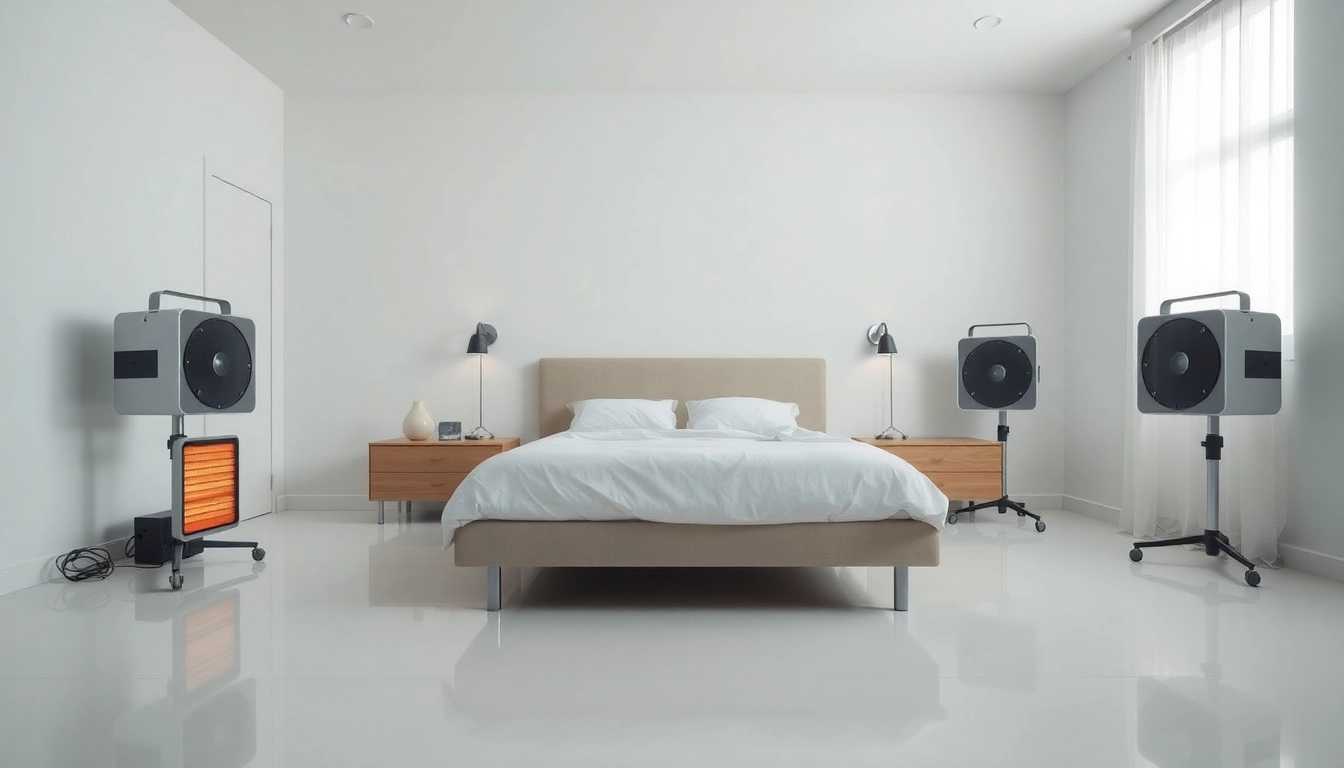
The process typically involves the use of specialized equipment such as electric heaters and fans to uniformly distribute heat throughout the target area. The temperature is gradually raised to ensure that every corner reaches the desired level, effectively targeting even the most elusive bed bugs. This method also eliminates the need for toxic pesticides, making it a safer choice for households with children and pets.
Benefits of Heat Treatment
Several advantages make heat treatment a preferred method for dealing with bed bug infestations:
- Non-Toxic Solution: Heat treatment uses no chemicals, making it a safer alternative for human health and the environment.
- Comprehensive Elimination: The process can kill all bed bug life stages, including resistant eggs, which are often missed by traditional chemical treatments.
- Quick Results: Many heat treatments can be completed in just a few hours, allowing for minimal disruption to your daily life.
- Reduced Risk of Recurrence: By treating all areas thoroughly one time, the likelihood of re-infestation diminishes significantly.
Preparation for Bed Bug Heat Treatment
Initial Inspection Steps
Before commencing the heat treatment, a thorough inspection of the premises is essential. This inspection helps identify the severity of the infestation and specific areas that require treatment. Trained professionals typically perform this inspection, looking for signs of bed bugs such as fecal spots, shed skins, and live bugs. This step ensures the treatment plan is tailored to the specific needs of the infestation.
Preparing Your Home
Proper preparation of your home is vital for the effectiveness of the heat treatment. Homeowners should take the following steps:
- Remove items from the affected room, including clothing, linens, and furniture, to allow for optimal airflow during treatment.
- Seal food items and other valuables in suitable containers to prevent exposure to heat.
- Restrict access to pets, as they can be sensitive to high temperatures.
Additionally, the home’s heating and cooling systems should be inspected and prepared to avoid any interruptions during the treatment process.
Safety Precautions
Safety is paramount when undergoing heat treatment. Homeowners should ensure all combustible materials are removed from the treatment area, as high temperatures can pose risks. Professional exterminators are trained to manage these risks but having a clear checklist of safety measures can provide peace of mind to homeowners.
Additionally, anyone sensitive to heat should be advised to find temporary accommodation until the treatment is done to avoid health concerns.
Executing the Bed Bug Heat Treatment
Equipment Used
The heat treatment process utilizes specialized equipment, including electric heaters, temperature monitoring devices, and high-powered fans. Electric heaters are strategically placed throughout the area to ensure uniform temperature distribution. Some companies employ thermal cameras to verify that all areas reach the prescribed temperatures, ensuring comprehensive coverage in difficult-to-reach spots.
Step-by-Step Process
The execution of bed bug heat treatment typically involves the following steps:
- Preparation: As detailed previously, ensure the area is prepared and safe for treatment.
- Heating: The heaters are initiated to raise the temperature gradually.
- Monitoring: Continuous monitoring of temperature and airflow is conducted throughout the process to ensure effectiveness.
- Cooling: After the required exposure time, the area is allowed to cool before re-entry.
This systematic approach ensures every nook and cranny reaches the lethal temperature required to eradicate bed bugs effectively.
Duration and Temperature Guidelines
The total duration of a standard heat treatment session can vary depending on the severity of the infestation and the size of the treatment area. Generally, the treatment can last between 6 to 8 hours. It's crucial to maintain temperatures between 120°F to 140°F for a duration of at least 1 hour to achieve maximum effectiveness. Monitoring equipment is essential to confirm that all areas are treated adequately.
Post-Treatment Care and Maintenance
Evaluating Treatment Effectiveness
After the treatment, it's essential to evaluate its effectiveness. This typically involves another inspection to confirm that all bed bugs have been eradicated. Homeowners are often encouraged to monitor the area closely for any signs of bed bug activity for a few weeks following treatment.
Preventive Measures
To prevent future infestations, it’s important to adopt consistent preventive measures, including regular inspections and maintaining cleanliness in sleeping areas. Encasing mattresses and box springs in bed bug-proof covers can provide a substantial barrier against re-infestation. Additionally, avoiding secondhand furniture or meticulously inspecting these items before bringing them into your home is crucial.
Signs of Recurrence
Homeowners should remain vigilant for signs of recurrence, which can include new bites, shed skins, or live bugs in common areas. If any signs are observed, it is recommended to contact a pest control professional for immediate assistance to prevent an infestation from worsening.
FAQs About Bed Bug Heat Treatment
How long does a heat treatment take?
A heat treatment session typically lasts between 6 to 8 hours, depending on the size of the area and severity of the infestation.
Is heat treatment safe for my home?
Yes, heat treatment is generally safe. It does not use toxic chemicals and is eco-friendly. Proper precautions should be taken to protect sensitive items and ensure safety.
Can I stay in my home during treatment?
It is advisable to find alternative accommodation during the treatment process to avoid health risks associated with high temperatures.
What about my pets during treatment?
Pets should be kept away from the treatment area. It's advisable to arrange for them to stay elsewhere to ensure their safety.
How can I prevent future infestations?
Preventive measures include regular cleanliness, inspecting secondhand items before purchase, and using bed bug-proof covers on mattresses and box springs.