Understanding the Basics of Scissor Lift
What is a Scissor Lift?
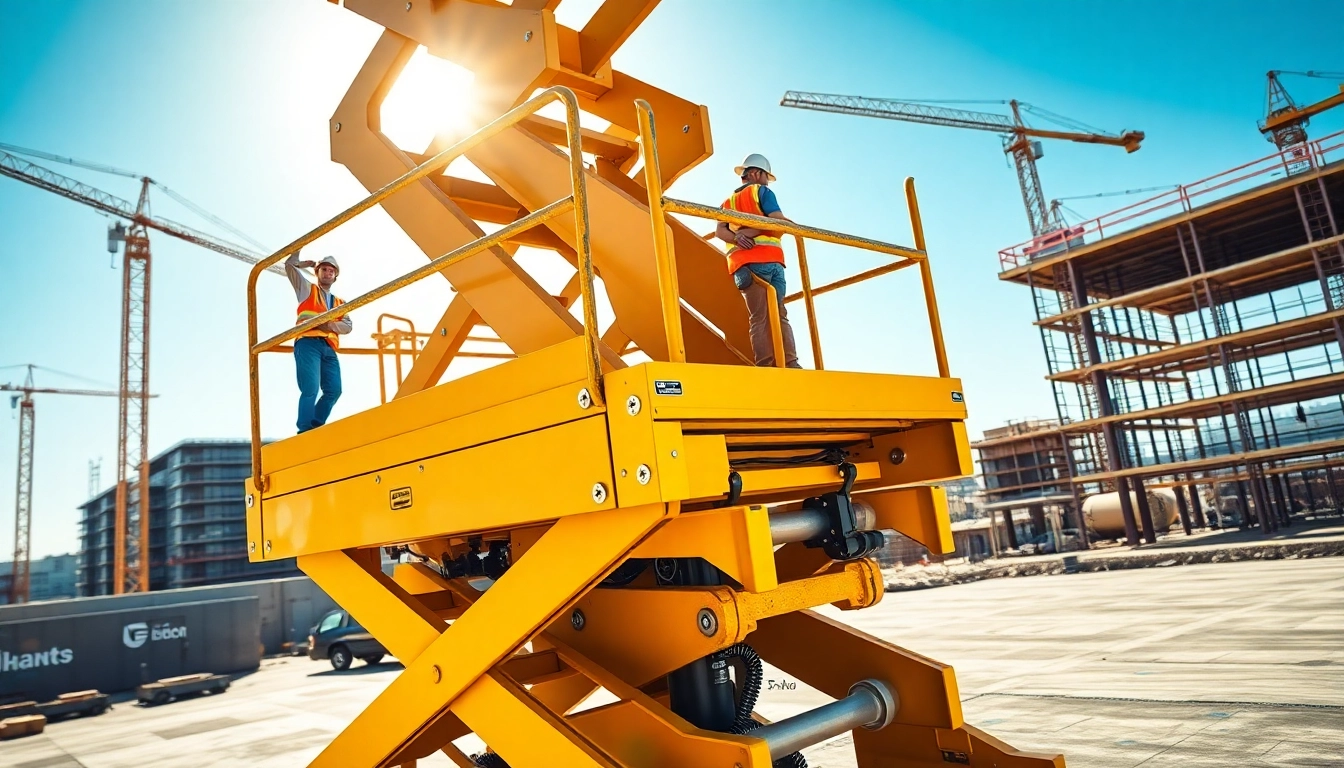
A scissor lift is an aerial work platform that is used to elevate personnel and equipment to various heights, offering significant advantages in terms of safety and efficiency. Characterized by its crisscrossing beams, which fold and unfold like a pair of scissors, it helps to raise a flat platform vertically. This mechanism provides stability as well as ease of movement for operators, making it an essential tool in a variety of settings—from construction sites to warehouses.
Types of Scissor Lift and Their Applications
Scissor lifts come in various types tailored to different applications. The most common categories include:
- Electric Scissor Lifts: Ideal for indoor use due to their quiet operation and minimal emissions.
- Rough Terrain Scissor Lifts: Equipped with large tires and enhanced stability for outdoor terrains.
- Low-Level Scissor Lifts: Designed for jobs requiring lower heights, typically under 20 feet.
- High-Voltage Scissor Lifts: Suitable for working near live electrical projects.
Each type serves specific operational needs, enabling companies to select the right equipment based on project characteristics and environmental factors.
How Scissor Lift Functions
The operation of a scissor lift involves the use of hydraulic systems, which control the movement of the platform. When the operator activates the lift, hydraulic fluid is pumped into the cylinders, causing the scissor arms to extend and elevate the platform. The design allows for vertical lifting while maintaining a stable and durable platform, ensuring optimal safety for users.
Benefits of Using Scissor Lift
Increased Work Efficiency
Utilizing a scissor lift can significantly enhance work efficiency. By providing elevated access to hard-to-reach areas, operators can carry out tasks more quickly, reducing the time spent transferring equipment or moving scaffolding. Enhanced efficiency often results in lower labor costs and improved project timelines.
Enhanced Safety for Workers
Safety is a critical consideration in any work environment, and scissor lifts contribute by offering a secure platform for workers. They typically come equipped with guardrails, platforms designed to minimize tipping, and non-slip surfaces, significantly lowering the risks associated with standard ladders and scaffolding.
Versatility Across Industries
Scissor lifts are versatile and can be employed across various sectors including construction, warehousing, maintenance, and retail. Whether for hanging signage in a store, performing repairs in hard-to-access areas, or conducting inspections, their adaptability makes them a valuable asset for any project.
Choosing the Right Scissor Lift
Factors to Consider Before Renting
When contemplating a rental, several factors should be evaluated:
- Height Requirement: Identify the maximum working height needed for the project.
- Site Conditions: Assess whether the lift will be used indoors, outdoors, or both.
- Weight Capacity: Consider the total weight of personnel and equipment onboard.
- Rental Duration: Estimate how long you’ll need the equipment to choose rental agreements that maximize cost-effectiveness.
Understanding Specifications
Before making a decision, it’s crucial to understand the specifications of the scissor lift in question. Key features include:
- Lift height and platform size
- Weight limits
- Power source (electric vs. diesel)
- Mobility (whether it’s suitable for rough terrain)
Understanding these specifications will help ensure the selected lift meets the demands of your specific application.
Cost Considerations
The cost to rent or purchase a scissor lift can vary widely based on features, brands, and rental duration. Budgeting for not just the equipment itself but also any additional operating costs, such as maintenance or transportation, is essential for long-term financial planning. Evaluating the total cost of ownership versus rental costs can also provide insights into the most economical choice.
Operational Best Practices for Scissor Lift
Safety Guidelines When Using Scissor Lift
Safety should always be the top priority when operating a scissor lift. Some best practices include:
- Conducting a pre-operation inspection to check for any malfunctions.
- Ensuring the ground is stable and capable of supporting the lift.
- Using personal protective equipment (PPE) as required.
- Never exceeding the weight limit of the lift.
By adhering to safety protocols, operators can minimize risks and ensure a safer working environment.
Regular Maintenance Tips
Maintenance is key to ensuring a scissor lift operates smoothly and safely. Key maintenance steps include:
- Regularly checking hydraulic fluid levels and inspecting for leaks.
- Testing all lift functions before use.
- Keeping the lift clean and free of debris, especially on the platform and wheels.
- Scheduling professional inspections and servicing as recommended by the manufacturer.
Training for Operators
Effective training for scissor lift operators is crucial for reducing accidents and injuries. Training should cover:
- Understanding the controls and operation of the lift
- Conducting pre-use inspections
- Recognizing hazards and implementing safety protocols
Well-trained operators are more likely to operate equipment safely, impacting overall workplace safety positively.
FAQs about Scissor Lift
What is the maximum height of a scissor lift?
Most scissor lifts can reach heights between 20 to 50 feet, depending on the model.
How often should I inspect a scissor lift?
It’s recommended to inspect a scissor lift before each use and perform a thorough monthly inspection.
Can scissor lifts operate on uneven ground?
Some scissor lifts are designed for rough terrain; ensure you choose models that can handle uneven surfaces if needed.
What safety gear is required when operating a scissor lift?
Operators should wear hard hats, harnesses, and non-slip shoes. Safety gear is essential for preventing accidents.
How do I transport a scissor lift?
Transporting a scissor lift should be done on a flatbed truck with proper securing equipment to prevent movement.
Contact Information
Call Us: 4062607988Address: 3906 MT-40, Columbia Falls, MT 59912