Understanding Hair Straightening Techniques
What is Hair Straightening?
Hair straightening is a popular hair styling technique aimed at creating smooth, sleek, and controlled hair textures, reducing frizz and wave patterns. This process can be achieved through various methods, both temporary and permanent. For those looking to switch up their look or maintain a polished appearance, Hair straightening can offer a transformative effect on natural hair types, enhancing your style and boosting your confidence.
Popular Methods of Hair Straightening
There are several methods to achieve straight hair, each with its advantages and drawbacks. Below are some of the most common techniques:
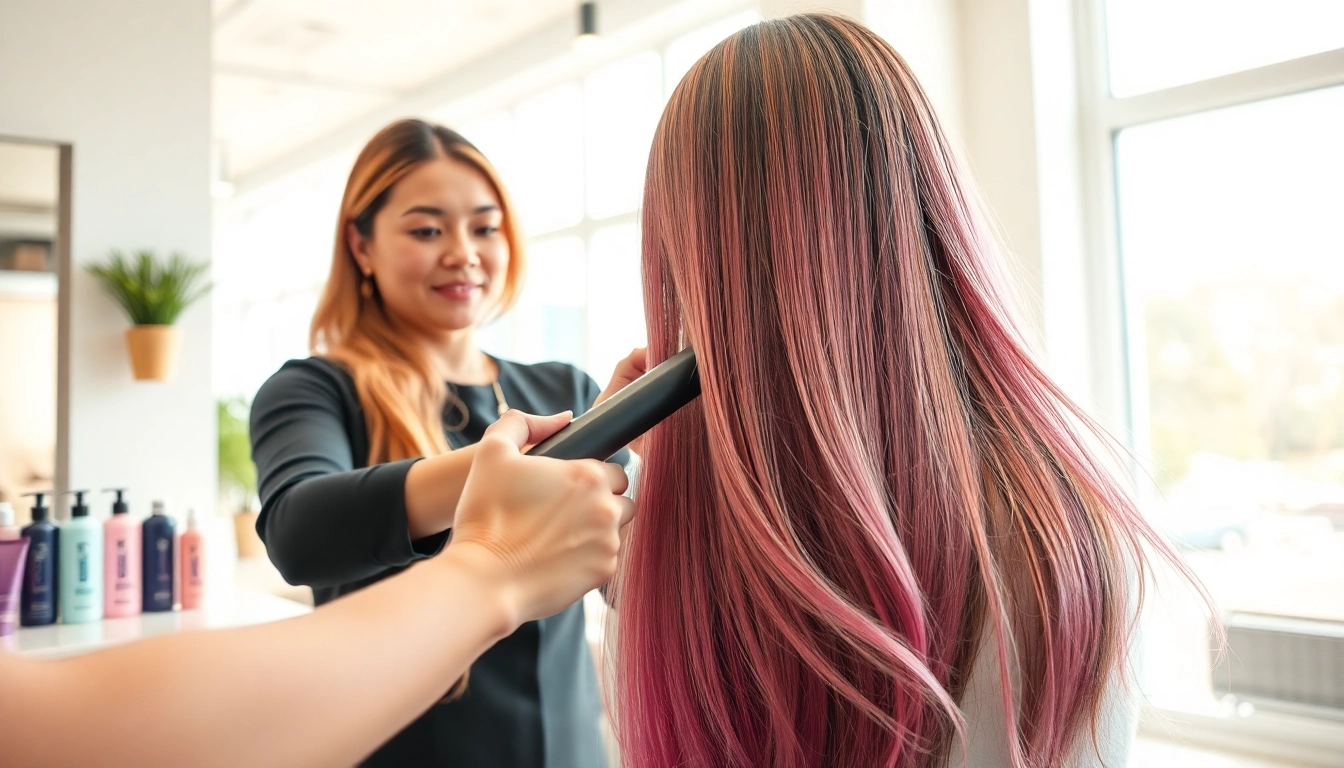
- Flat Ironing: This is perhaps the most widely used method for temporary straightening. A flat iron uses high heat to smooth hair, making it straight and sleek.
- Blow Drying: Using a round brush alongside a blow dryer, this technique creates straight hair by smoothing the cuticle layers and works best with a heat protectant.
- Chemical Straightening: Also known as relaxers, this method alters the hair's structure, providing long-lasting results. However, it can be damaging if not performed correctly.
- Keratin Treatments: These are semi-permanent solutions that reduce frizz and make hair easier to manage for several months but can be costly.
- Japanese Straightening: This method permanently alters the hair structure using chemicals. It is effective but can lead to damage and requires a professional touch.
Benefits of Hair Straightening
The benefits of hair straightening extend beyond aesthetics. Here are some advantages worth considering:
- Manageability: Straightened hair is generally easier to style and manage, particularly for those with naturally curly or wavy hair.
- Versatility: Straight hair allows for various styling options, from sleek up-dos to casual down styles.
- Long-lasting Effects: Depending on the method used, the straightened effects can last for an extended period, often reducing the frequency of styling sessions.
- Enhanced Shine: Straight hair can reflect light better, giving a shinier appearance while also helping to highlight color treatments.
Choosing the Right Tools for Hair Straightening
Flat Irons: Features to Consider
Selecting the appropriate flat iron is crucial for effective hair straightening. Consider these features:
- Plate Material: Ceramic plates distribute heat evenly and are gentler on the hair. Titanium heats up quickly, useful for thick, coarse hair, while tourmaline emits negative ions for added shine.
- Temperature Control: A model with adjustable heat settings allows you to customize the temperature according to your hair type, reducing damage.
- Plate Width: Wider plates work best for long, thick hair, while narrower plates are ideal for shorter styles or precision work.
- Ergonomic Design: Lightweight models or those with a comfortable grip can enhance usability, especially during longer styling sessions.
Hair Dryers and Brushes for Straightening
While flat irons are the go-to for straightening, certain hair dryers and brushes also serve well:
- Ion Technology: Look for hair dryers that feature ion technology, which helps reduce frizz and static.
- Round Brushes: Using a round brush with a blow dryer allows for precise styling and movement in the hair, giving volume while straightening.
- Brushes with Heat: Heated styling brushes provide the benefits of both a brush and a straightener, allowing for smooth, straight results in one step.
Essential Hair Products for Optimal Results
To protect your hair and enhance the straightening process, consider these essential hair products:
- Heat Protectant: Always apply a heat protectant spray or serum to shield your hair from damage before using heat-based tools.
- Smoothing Serums: These can help tame frizz and provide extra shine, making your style last longer.
- Leave-in Conditioners: They nourish and hydrate your hair, helping maintain sleekness post-straightening.
- Hairspray: A good hairspray can help lock in your straightened style, providing hold without stiffness.
Step-by-Step Guide to Hair Straightening
Preparing Your Hair Before Straightening
The foundation for effective hair straightening lies in proper preparation:
- Wash and Condition: Start with clean, conditioned hair. Use a smoothing shampoo and conditioner to enhance the straightening process.
- Dry Thoroughly: Ensure your hair is completely dry before using a flat iron. If air-drying, consider using a light blow dry to reduce moisture.
- Apply Protectant: Evenly coat your hair with a heat protectant, focusing on the ends where damage is most likely to occur.
Techniques for Effective Straightening
Proper techniques can significantly impact your results:
- Section Your Hair: Divide your hair into manageable sections, typically two to four, depending on thickness. This makes straightening easier and more effective.
- Maintain the Right Temperature: Use the correct heat setting for your hair type—fine hair requires lower heat, while coarse hair can handle higher temperatures.
- Slow, Steady Motion: Move the flat iron slowly down each section to ensure even straightening. Avoid going over the same section multiple times, as this increases heat exposure.
- Finish with a Cool Shot: If using a blow dryer, end with a cool shot to seal the cuticle layer, enhancing shine and reducing frizz.
Post-Straightening Care Tips
After straightening your hair, follow these tips to maintain your style:
- Avoid Humidity: Try to minimize exposure to humidity, as it can lead to frizz. Use anti-frizz products as necessary.
- Limit Heat Exposure: Give your hair a break from heat styling tools after straightening. Aim for every few days or once a week if possible.
- Maintain Hydration: Regularly use moisturizing masks and conditioners to replenish moisture levels.
Common Mistakes in Hair Straightening
Overuse of Heat: What to Avoid
Applying excessive heat to your hair can cause irreversible damage:
- Stick to recommended temperature settings for your hair type.
- Use heat sparingly, allowing your hair to recover between styling sessions.
- Invest in quality tools with even heat distribution to minimize damage.
Improper Product Application Techniques
Using too much product or applying it incorrectly can lead to a greasy, weighed-down appearance:
- Apply products in moderation, focusing on the mid-lengths and ends rather than the roots.
- Ensure even distribution to avoid clumps and build-up that can weigh down your style.
Understanding Hair Types and Straightening Suitability
It's essential to recognize your hair type's unique characteristics:
- Fine hair requires lower heat and lighter products to avoid damage.
- Thicker hair benefits from higher heat settings and heavier moisturizing products.
- Curl patterns and textures should guide product choices and technique effectiveness.
Hair Straightening FAQs
How often can I straighten my hair?
It's best to limit straightening to once or twice a week. This helps minimize heat damage and keeps hair healthy.
What heat setting is best for straightening?
For fine hair, use low to medium heat (250-350°F). For thick or coarse hair, higher settings (350-450°F) can be more effective but use cautiously.
Can I straighten wet hair?
It's not recommended. Wet hair is more fragile and prone to damage. Always ensure hair is completely dry before styling.
How do I prevent heat damage while straightening?
Use a heat protectant, avoid excessive heat, and limit styling frequency. Regular conditioning treatments also help maintain hair health.
Are there any natural alternatives to chemical straightening?
Yes, natural oils like coconut or argan oil can add shine and reduce frizz. Additionally, techniques like the "brushing method" with heat can yield smoother results without chemicals.