Understanding Retail Video Analytics
As the retail landscape continues to evolve, utilizing advanced technologies is imperative for businesses aiming to thrive. Among these technologies, retail video analytics has emerged as a powerful tool, combining traditional video surveillance with cutting-edge data analytics to enhance operational effectiveness. This article delves into the intricacies of retail video analytics, how it works, its applications, benefits, challenges, best practices, and methods of measuring success.
What is Retail Video Analytics?
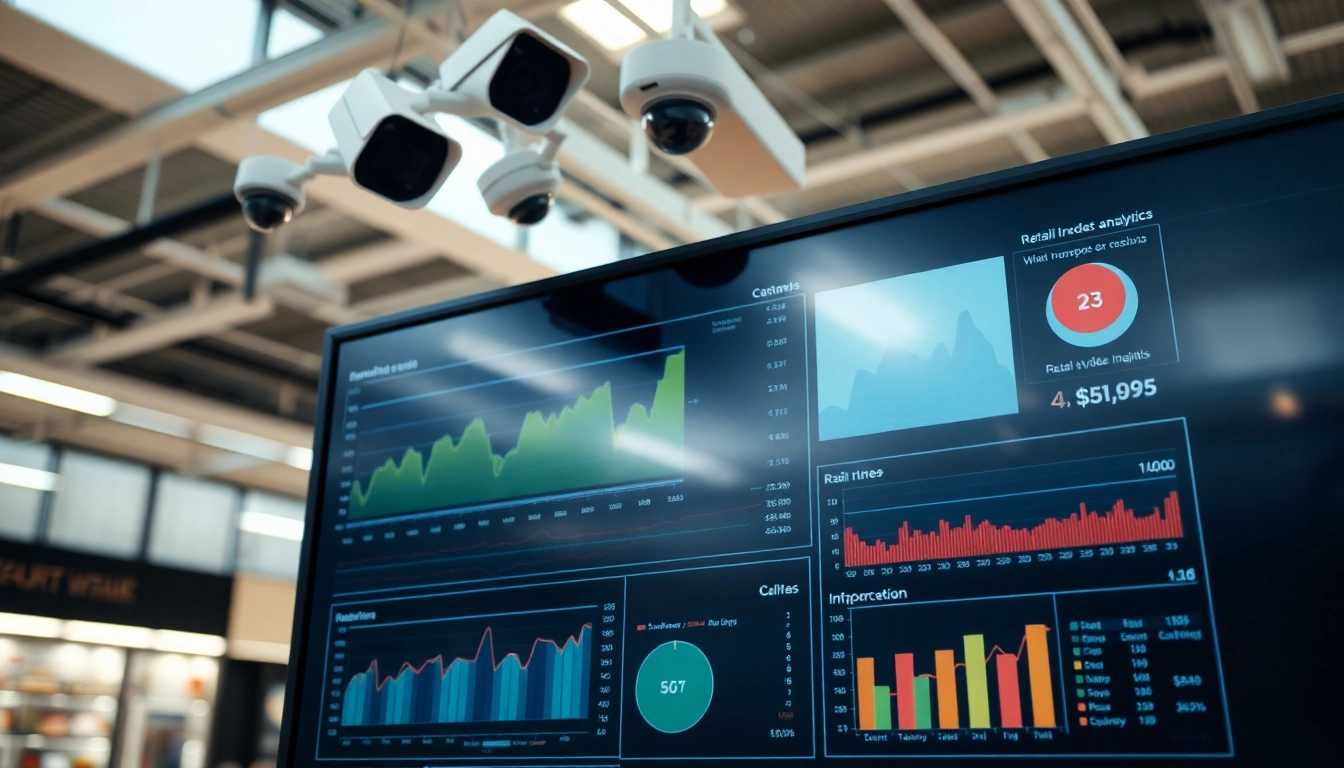
Retail video analytics refers to the process of analyzing video footage captured from surveillance cameras in retail environments to extract actionable insights about consumer behavior and store performance. By applying machine learning and artificial intelligence (AI) techniques, these systems can identify patterns, anomalies, and trends that aid in decision-making. Retail video analytics goes beyond mere security monitoring; it transforms ordinary footage into a valuable repository of data-driven insights.
How Retail Video Analytics Works
Retail video analytics systems leverage algorithms and software platforms to process and analyze video streams in real-time. These systems can perform various functions such as:
- Object Detection: Identifying various objects and individuals within the video and categorizing them.
- Behavior Analysis: Monitoring customer interactions, such as dwell time at displays and response to marketing materials.
- Footfall Counting: Tracking the number of individuals entering and exiting the store to assess traffic patterns.
- Heat Mapping: Creating visual representations of areas with varying customer attention, revealing high and low engagement zones.
Retail video analytics typically employs cloud computing, allowing retailers to store and analyze vast amounts of video data efficiently while utilizing machine learning models to continually improve accuracy and effectiveness. This integration creates a comprehensive ecosystem that provides a multifaceted view of store dynamics.
Common Applications of Retail Video Analytics
The applications of retail video analytics are extensive and can lead to transformative changes in operations:
- Enhancing Customer Experience: By understanding customer behavior, retailers can make data-driven adjustments to store layouts, product placements, and promotional strategies.
- Operational Efficiency: By detecting bottlenecks in service, retailers can optimize staffing and workflow, reducing wait times and improving service quality.
- Inventory Management: Analyzing foot traffic patterns can inform inventory decisions, ensuring high-demand products are readily available while minimizing stock on less popular items.
- Fraud Detection: Unusual patterns flagged by analytic systems can signal potential incidents of theft or fraud, enabling quicker responses to protect assets.
Benefits of Implementing Retail Video Analytics
Enhanced Customer Insights
One of the cornerstone advantages of retail video analytics is the deep insights it offers into consumer behavior. Businesses can observe customer interactions in real time, allowing them to tailor experiences that meet customer expectations. Understanding metrics like how long customers linger at specific products or which areas draw the most foot traffic helps retailers develop targeted engagement strategies that increase sales and improve overall customer satisfaction.
Improved Store Operations
Retail video analytics contributes significantly to operational improvements. For example, insights generated from data can reveal much about staffing patterns. Stores can allocate staff more effectively according to peak traffic times as identified by video analytics. Additionally, retailers can streamline processes based on actual consumer behavior rather than assumptions, ensuring that operational decisions are grounded in accurate data.
Operational Cost Reduction
By leveraging retail video analytics, businesses can identify inefficiencies leading to cost reductions. For instance, effective inventory management combined with insights from foot traffic can minimize excess stockholding and reduce storage costs. Furthermore, optimizing staffing based on customer patterns can minimize unnecessary labor expenses, enabling businesses to allocate resources more strategically.
Challenges in Retail Video Analytics
Data Privacy Concerns
While the benefits are substantial, the implementation of retail video analytics raises important data privacy concerns. Retailers must navigate privacy regulations, such as GDPR and local laws. Ensuring that consumer data is handled appropriately, with informed consent from customers regarding surveillance, is crucial. Retailers need to develop policies and practices that safeguard consumer information while leveraging analytics to improve operations.
Integration with Existing Systems
Integrating retail video analytics into existing systems can pose technical challenges. Retailers may struggle with combining new analytics software with legacy systems or existing IT infrastructure. To mitigate these issues, careful planning and often the assistance of IT professionals are necessary to ensure a smooth transition and full system compatibility.
Interpreting Data Effectively
Collecting data through retail video analytics is only the beginning. The true challenge lies in interpreting this data effectively. Retailers must not only invest in technology but also in training staff to analyze data results appropriately. Many businesses fail to realize their analytics potential due to insufficient data interpretation skills, ultimately limiting the benefits they could achieve.
Best Practices for Using Retail Video Analytics
Choosing the Right Tools
The first step towards effective retail video analytics begins with choosing the right tools. Retailers should prioritize platforms that offer user-friendly interfaces, robust data integration capabilities, and features tailored to their specific operational needs. Conducting thorough research on different vendors and their offerings aids businesses in selecting the right analytics solutions.
Training Employees on Analytics Insights
To harness the full power of retail video analytics, training employees on how to interpret insights is crucial. Providing staff with the knowledge to understand data reports empowers them to make informed decisions based on evidence rather than intuition alone. Regular training and upskilling sessions can ensure employees stay abreast of industry changes and technologies.
Regularly Updating Analytics Strategies
Retail environments are dynamic, requiring agile analytics strategies. Retailers must continually assess their generated insights, adapting strategies to reflect changing consumer behaviors, emerging trends, and new technological advancements. Regularly revisiting analytics frameworks can help retailers remain responsive and innovative in their approach.
Measuring the Success of Retail Video Analytics
Key Performance Indicators (KPIs) for Analytics
Measuring the success of retail video analytics involves establishing clear Key Performance Indicators (KPIs). These KPIs might include metrics like conversion rates, average dwell time in various store sections, changes in sales following layout modifications, and customer retention rates. By monitoring these indicators, retailers can evaluate their strategies' effectiveness and adjust accordingly.
Customer Feedback Mechanisms
Implementing customer feedback mechanisms helps retailers correlate video analytics data with actual customer experiences. By gathering direct insights from customers regarding their shopping experience, retailers can confirm or challenge data findings. Tools like surveys, comment cards, and digital review platforms can enhance retailers' understanding of customer insights and preferences.
Continuous Improvement Plans
Successful implementation of retail video analytics requires continuous improvement plans. Retailers should routinely analyze their results, seeking to understand what worked and what did not. Frequent evaluations and updates enable an iterative approach where strategies are refined over time, leading to sustained upward performance trajectories.
FAQs
1. What is retail video analytics? Retail video analytics uses video data from cameras to provide insights into customer behavior and store performance, improving operational decisions.
2. How can retail video analytics improve operations? It provides real-time insights that optimize staffing, layout, and inventory management, leading to enhanced operational efficiency.
3. Are there privacy concerns with retail video analytics? Yes, retailers must comply with privacy regulations and consider customer consent regarding the use of their data in video analytics.
4. How do I choose the right retail video analytics tool? Look for user-friendly interfaces, robust integration capabilities, and features tailored to your business’s specific needs.
5. How can I measure the effectiveness of retail video analytics? Track KPIs such as sales performance, customer traffic patterns, and operational costs to gauge effectiveness effectively.