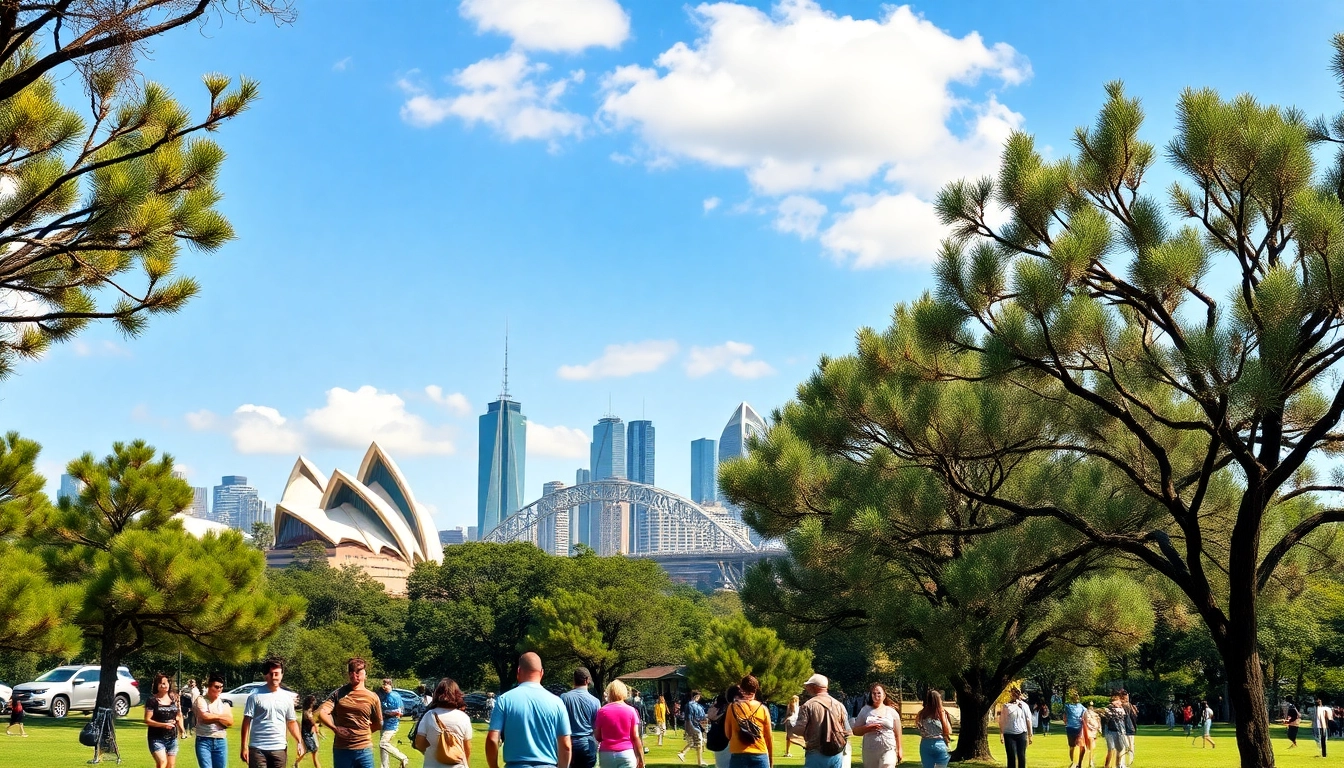
Introduction to Australia: A Land of Diversity
Australia, a vast island continent, is renowned for its rich tapestry of cultures, landscapes, and biodiversity. From the bustling cities with their vibrant arts scenes to the serene outback and pristine beaches, Australia provides a unique and diverse experience for both its residents and visitors. Not only does it boast a rich history and an array of ecosystems, but it has also embraced multiculturalism, positioning itself as a global pioneer in cultural integration. This article dives deeper into the aspects that give Australia its unique identity.
Geographical Overview of Australia
Australia is the world's sixth-largest country by total area, occupying approximately 7.7 million square kilometers. Geographically, it is characterized by its rich variety of landscapes that range from arid deserts and rugged mountains to lush rainforests and stunning coastlines. The Great Dividing Range, Australia's most substantial mountain range, runs along the eastern coast, while the interior is dominated by semiarid regions known as the Outback.
The country is bordered by the Indian and Pacific Oceans, giving rise to diverse marine ecosystems. One of its standout features is the Great Barrier Reef, the largest coral reef system globally, teeming with wildlife. The geographic distribution of Australia's unique terrain influences its climate, impacting the living conditions and agricultural opportunities available within its states and territories.
Cultural Melting Pot
Australia is distinguished by its multicultural society, influenced heavily by immigration from various parts of the world. The indigenous cultures, particularly those of the Aboriginal and Torres Strait Islander peoples, are some of the oldest living cultures on Earth, with a rich tradition of storytelling, art, and music dating back thousands of years.
Modern Australia celebrates a multitude of cultural traditions, festivals, and cuisines from Asia, Europe, the Americas, and beyond. Cities like Sydney and Melbourne host art and music festivals that showcase this diversity, fostering a spirit of inclusivity and collaboration amongst their residents. This cultural synergy not only enriches the social fabric of Australia, but also serves as a testament to the country's global connectivity.
The Natural Wonders of Australia
Australia's natural beauty is breathtaking, making it a prime destination for enthusiasts of nature and adventure. From the lush rainforests of Queensland to the solemn beauty of the Outback, the country is home to phenomena like Uluru, the iconic sandstone monolith steeped in Aboriginal mythology.
Visitors can experience diverse ecosystems, like the Daintree Rainforest, which harbors a unique array of flora and fauna. The country's national parks play a crucial role in protecting its landscapes, ensuring that the natural wonders of Australia can be preserved for future generations.
The Unique Ecosystem of Australia
Flora and Fauna
Australia is renowned for its unique flora and fauna, with around 80% of its plant and animal species found nowhere else on earth. The country is home to renowned species such as kangaroos, koalas, and the emu, alongside thousands of native plant species including eucalyptus and acacia trees.
This rich biodiversity results from the diverse environmental conditions across the continent, from the lush coastal regions to the arid deserts. Conservation efforts are critical to preserving this biodiversity, particularly as many species face threats from climate change, habitat loss, and invasive species.
Climate Variations Across Australia
The climate of Australia varies widely, influenced by its vast size and diverse landscapes. Northern Australia experiences a tropical climate, with distinct wet and dry seasons, while the southern regions enjoy a temperate climate characterized by four seasons.
The Outback is often hot and dry, with significant temperature variations between day and night. These climate variations not only shape the lifestyles of residents but also impact agriculture, tourism, and conservation strategies within the nation.
Conservation Efforts in Australia
Given its unique ecosystems, Australia places great importance on conservation efforts. The Australian government, alongside various NGOs and indigenous groups, actively participates in protecting endangered species and preserving natural habitats. Initiatives include the establishment of protected areas and national parks, educational programs, and rehabilitation projects for affected wildlife.
Community involvement is also crucial. Many locals engage in conservation activities, recognizing their role in protecting Australia’s natural heritage. Such collaborative efforts ensure the sustainability of Australia’s ecological networks and promote awareness about environmental issues.
Traveling Through Australia: Key Destinations
Major Cities of Australia
Australia is home to several vibrant cities, each with its unique character and attractions. Sydney, known for its iconic Opera House and Harbour Bridge, offers a blend of historical sites and modern architecture, making it a must-visit destination for tourists.
Melbourne, often regarded as Australia’s cultural capital, boasts a rich arts scene, renowned coffee culture, and diverse culinary experiences. Other cities, like Brisbane, Perth, and Adelaide, also contribute to Australia’s urban tapestry, providing travelers with distinctive experiences, ranging from outdoor adventures to vibrant nightlife.
Adventure in the Outback
The Outback represents the quintessential Australian adventure, characterized by its vast, rugged landscape and rich Indigenous history. Travelers can explore iconic places such as Uluru or Kings Canyon, where guided tours can reveal the cultural significance of these areas.
Camping under the stars, hiking through national parks, and engaging with local Aboriginal communities offer visitors an immersive experience in the heart of Australia’s wild landscapes. The Outback is also an excellent location for 4WD adventures, challenging hikes, and unforgettable wildlife encounters.
Beaches and Coastal Wonders
Australia's coastline stretches for over 34,000 kilometers, featuring some of the world's most stunning beaches. The infamous Bondi Beach in Sydney attracts surfers and sunbathers alike, while the Whitsunday Islands offer access to pristine white-sand beaches and crystal-clear waters.
Along the Great Ocean Road, travelers can marvel at the Twelve Apostles, a collection of limestone stacks rising majestically from the Southern Ocean. Snorkeling or diving in the Great Barrier Reef is a quintessential Australian experience, showcasing the country's rich marine biodiversity.
Socioeconomic Landscape of Australia
Education System in Australia
Australia boasts a high-quality education system that is recognized globally for its governance and outcomes. Primary and secondary education is compulsory, and the country is home to several leading universities and vocational training institutions.
The Australian education system emphasizes innovation, critical thinking, and skills development, preparing students for a dynamic job market. International students are also welcomed, contributing significantly to the multicultural vibe of Australian campuses.
Understanding the Job Market in Australia
The job market in Australia is robust and diverse, encompassing various sectors, including healthcare, IT, business services, and construction. The country enjoys a relatively low unemployment rate, with sectors like technology and healthcare experiencing particular growth.
Understanding the job market requires awareness of fluctuating demands based on economic conditions and regional variances. Networking and skills development are essential for job seekers aiming to excel in competitive fields. Professional development and continuous learning are emphasized within Australian work culture.
Public Services and Infrastructure
Australia’s public services and infrastructure are well-developed, contributing to a high standard of living. Government services include healthcare through Medicare, social security systems, and public transportation networks that connect major cities seamlessly.
Investment in infrastructure projects has aimed to improve connectivity and sustainability throughout the nation. Urban planning includes environmentally friendly initiatives, contributing to the goal of achieving smart and sustainable cities.
Frequently Asked Questions About Australia
What is the best time to visit Australia?
The ideal time to visit Australia depends on your destination. Generally, spring (September to November) and autumn (March to May) offer mild weather and fewer crowds, suitable for exploring major cities and national parks.
What languages are primarily spoken in Australia?
The predominant language in Australia is English, with Australian English having its distinct variations. There are also communities speaking Italian, Mandarin, Arabic, Greek, and many Indigenous languages across the country.
Is Australia a safe place for travelers?
Yes, Australia's overall crime rate is low, making it a safe destination for travelers. However, it's essential to stay informed about safety guidelines, especially concerning natural hazards like bushfires and wildlife.
What are the must-try foods in Australia?
Must-try foods include Vegemite on toast, meat pies, lamingtons, and local seafood. Experiencing multicultural cuisines, especially in cities, is also highly recommended.
How do I get around in Australia?
Getting around Australia can be done via domestic flights, trains, buses, or car rentals, depending on distance. Public transport options in major cities are also efficient, and many regions can be explored via walking or cycling.