Understanding Astaxanthin for Wrinkles
Astaxanthin has gained considerable attention in the beauty and health industries for its remarkable antioxidant properties. Often referred to as a "super antioxidant," astaxanthin is primarily sourced from microalgae and has multiple health benefits that promote not only general wellness but specifically aid in skin health. In this article, we delve deep into how astaxanthin for wrinkles serves as a formidable ally against the aging process, particularly for targeting wrinkles and fine lines.
What is Astaxanthin?
Astaxanthin is a carotenoid, a type of pigment found in certain algae, yeast, and the tissues of some animals such as shrimp and salmon, giving them their pink or reddish hue. Unlike beta-carotene, another well-known carotenoid, astaxanthin possesses unique molecular structure properties that enhance its ability to combat oxidative stress and inflammation in the body. This makes it a potent ingredient for skin health and anti-aging purposes.
How Astaxanthin Works on Skin
The skin is often the first organ to show signs of aging, primarily through wrinkles and fine lines caused by factors like UV exposure, pollution, and intrinsic aging processes. Astaxanthin helps to mitigate these effects by neutralizing free radicals, which are unstable molecules that can cause cellular damage. By maintaining skin health, it fosters an environment that enhances moisture retention and elasticity, promoting a more youthful appearance.
Key Benefits and Effectiveness
Astaxanthin is not just a one-dimensional antioxidant. Research indicates a multifaceted range of benefits that play a crucial role in minimizing wrinkles:
- Enhanced Skin Elasticity: Astaxanthin has been shown to improve skin elasticity, making it firmer and less prone to sagging.
- Reduced Wrinkle Depth: Regular intake of astaxanthin can lead to a reduction in the depth of wrinkles, offering a plumper skin appearance.
- Increased Moisture Retention: It helps maintain hydration levels in the skin, facilitating a soft and supple texture.
- Protection Against UV Damage: Astaxanthin acts as a natural sunscreen, reducing the oxidative stress caused by UV rays, thus protecting skin cells.
Scientific Evidence Behind Astaxanthin for Wrinkles
Research Studies Overview
Numerous studies have elucidated the benefits of astaxanthin in skincare. For example, a study published in the journal PMC demonstrated that astaxanthin supplementation led to significant improvements in skin moisture content and elasticity, ultimately resulting in fewer wrinkles. Participants reported softer skin texture and reduced signs of photoaging, establishing a strong correlation between astaxanthin intake and skin health enhancement.
Comparative Analysis with Other Anti-Aging Ingredients
While other antioxidants, such as vitamin C and E, are commonly lauded for their skin benefits, astaxanthin has distinct advantages. Unlike these other antioxidants, astaxanthin is significantly more potent—estimated to be up to 6000 times stronger than vitamin C in terms of antioxidant activity. This heightened efficacy means that smaller doses may achieve better outcomes, making it an efficient ingredient in anti-aging formulations.
Expert Opinions on Efficacy
Dermatologists and skincare experts often recommend astaxanthin as part of an anti-aging regimen. Experts note its ability to combat oxidative damage while enhancing skin barrier function, underscoring its multifaceted benefits. Some even suggest that incorporating astaxanthin can yield visible results in as little as two weeks, notably reducing the appearance of fine lines and wrinkles.
How to Incorporate Astaxanthin into Your Routine
Recommended Dosages for Skin Health
The general consensus is that a daily dose of 4 to 12 mg of astaxanthin is sufficient for skin health, although individuals may vary in their specific needs. It’s advisable to consult with a healthcare professional before beginning supplementation, especially if one has existing health conditions or is pregnant or breastfeeding.
Topical Applications vs Supplements
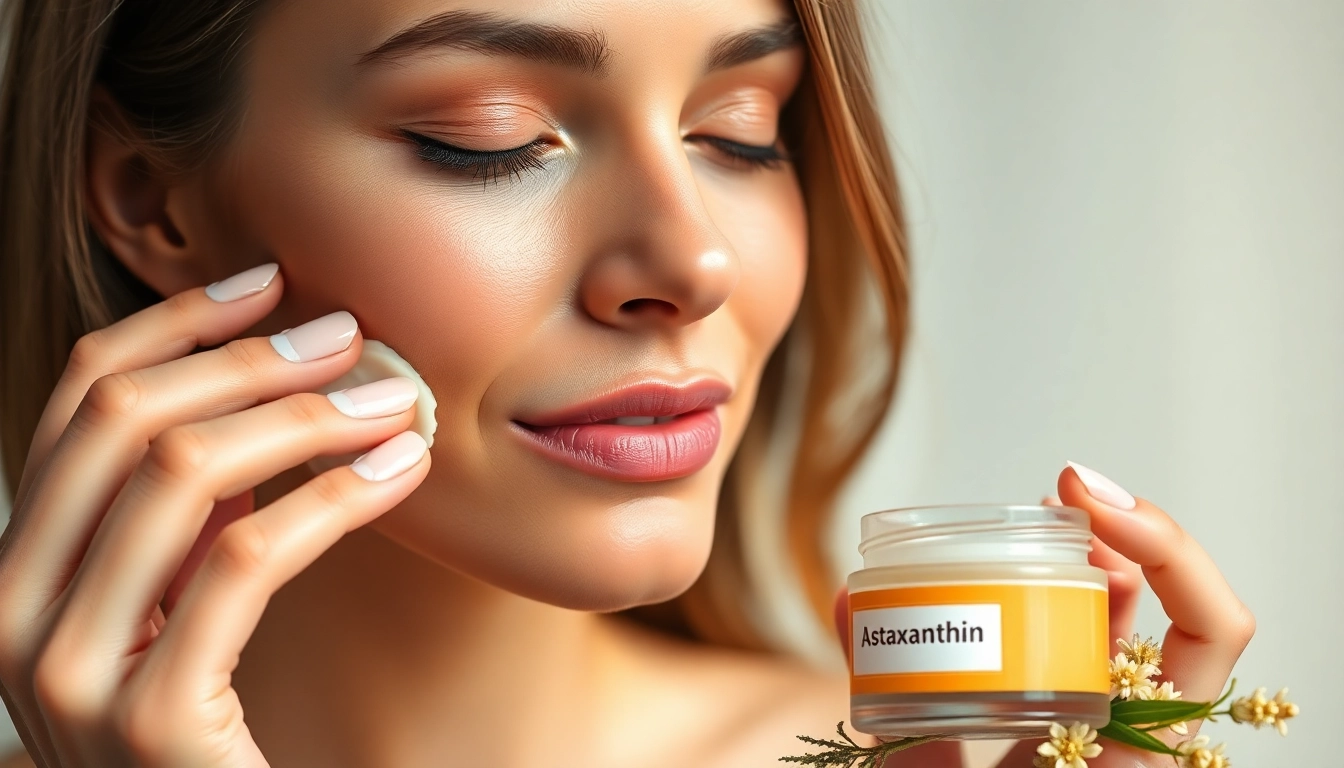
Astaxanthin can be applied topically as well as taken in supplement form. Topical applications commonly come in creams and serums that provide direct delivery to the skin. On the other hand, supplements can enhance the body’s overall antioxidant capacity, benefiting the skin from the inside out. For optimal results, a combination of both methods may be employed.
Combining Astaxanthin with Other Ingredients
Astaxanthin can also be synergized with other nourishing ingredients. For example, combining it with hyaluronic acid can boost hydration, while pairing it with peptide complexes may enhance skin regeneration. Users should opt for products that thoughtfully combine these elements to reap the maximum benefits for their skin.
Addressing Common Concerns and Myths
Safety Profile and Side Effects
Astaxanthin is generally regarded as safe when consumed in appropriate dosages. There are few reported side effects, which mostly include mild gastrointestinal issues. However, those with allergies to seafood should exercise caution, as astaxanthin is derived from marine sources.
Astaxanthin Effectiveness for All Skin Types
Astaxanthin is suitable for all skin types, including sensitive skin. The antioxidant properties help calm and soothe irritated areas, making it ideal for a broader audience. Always perform a patch test before using new topical formulations.
Myth-Busting: What You Need to Know
A common misconception is that astaxanthin only works for preventing wrinkles rather than treating existing ones. However, studies have shown that astaxanthin is effective not just at prevention but also in reducing the appearance of already formed wrinkles, providing hope for various stages of skin aging.
Frequently Asked Questions About Astaxanthin for Wrinkles
How long does astaxanthin take to show results?
Many users report noticeable improvements in skin texture and reduced wrinkles within 2-4 weeks of regular use.
Can astaxanthin replace my current skincare?
Astaxanthin can be a powerful addition to your skincare routine, but it should complement other products rather than completely replace them for optimal results.
Is astaxanthin safe for all skin types?
Yes, astaxanthin is generally safe for all skin types, including sensitive skin. Always perform a patch test to ensure there are no adverse reactions.
What are the best forms of astaxanthin to use?
Both topical creams and oral supplements are effective. The best form depends on individual preferences and skin concerns.
Will I see immediate effects with astaxanthin?
While astaxanthin offers quick benefits, visible effects typically take a few weeks of consistent use to fully manifest.