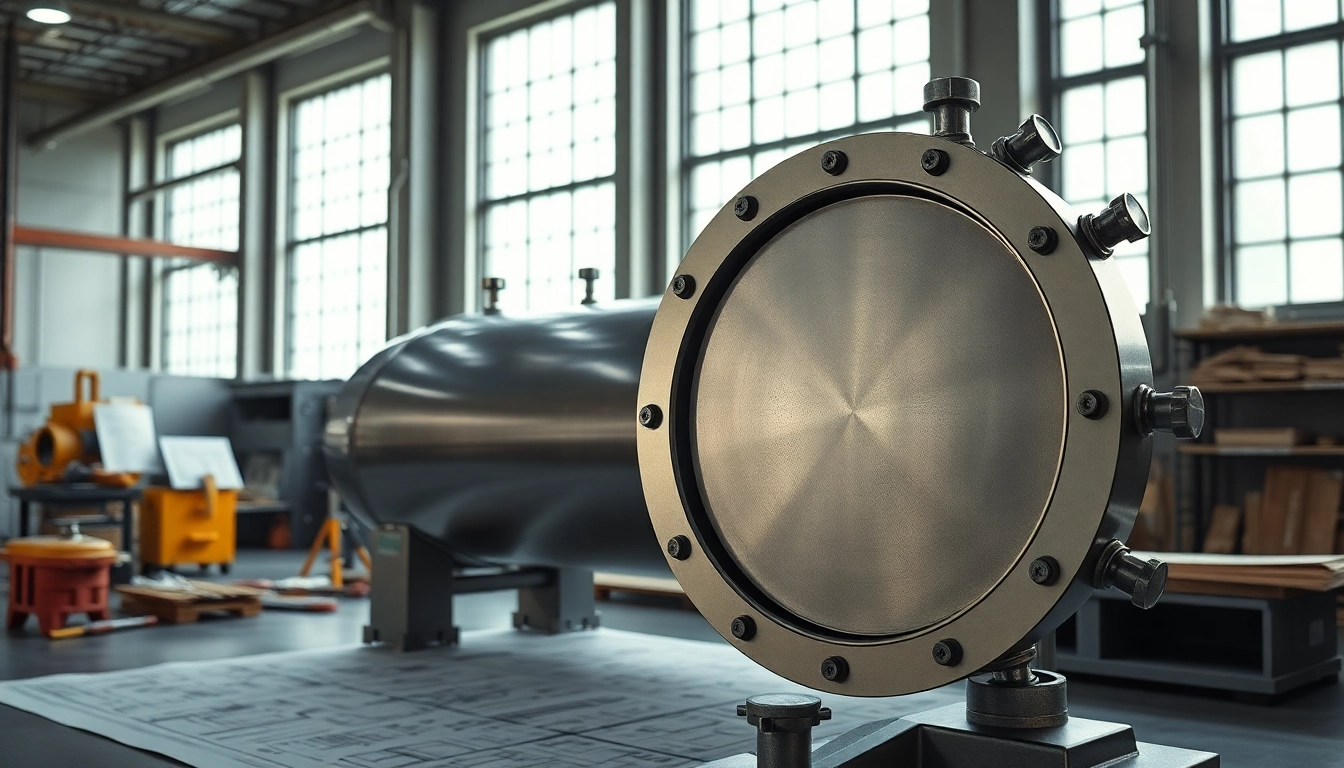
Understanding Pressure Vessel Design Basics
Definition and Purpose
Pressure vessels are critical components in various industrial applications, designed to hold substances under high pressure. Typically made from strong materials, these containers can store liquids, gases, or vapors safely while maintaining structural integrity. The primary purpose of a pressure vessel is to ensure that hazardous materials are contained within a secure environment, reducing the risk of leaks or explosions. Pressure Vessel Design is focused on creating vessels that meet specific operational requirements and safety standards, ensuring both efficiency and compliance.
Common Shapes and Configurations
Pressure vessels can be constructed in numerous shapes, the most common being cylindrical, spherical, and conical. Each shape offers distinct advantages based on the intended application:
- Cylindrical: This is the most widely used configuration, often found in storage tanks and boilers. Its design allows it to withstand internal pressure effectively.
- Spherical: Spheres are optimal for storing gases and liquids under high pressure. Their shape distributes stress evenly, minimizing the possibilities of failure.
- Conical: Used primarily for transition between cylindrical sections or to enhance flow properties, conical vessels facilitate the collection of products or separation of phases.
Key Design Parameters
Several key parameters influence pressure vessel design, ensuring operational safety and functionality. These include:
- Maximum Allowable Working Pressure (MAWP): Determines the maximum pressure the vessel can handle safely during operation.
- Temperature Considerations: Both ambient and operating temperatures affect material choice and structural integrity.
- Safety Factor: This factor is a crucial part of the design, offering a margin of safety against unexpected stresses or overloads.
- Corrosion Allowance: Essential for materials exposed to corrosive substances, this allowance determines extra material thickness to compensate for potential degradation.
Pressure Vessel Design Codes and Standards
Overview of ASME Code
The American Society of Mechanical Engineers (ASME) sets widely recognized codes that govern pressure vessel design and fabrication in the United States and abroad. The ASME Boiler and Pressure Vessel Code (BPVC) outlines the minimum safety requirements to ensure reliability, performance, and safe operation. Compliance with these codes is mandatory in most industries handling pressurized equipment, thus shaping the standards for manufacturing, inspecting, and operating pressure vessels.
Importance of Compliance
Compliance with ASME and other regulatory standards is paramount for several reasons. Primarily, adhering to these codes minimizes the risk of accidents and ensures the health and safety of personnel. Furthermore, it enhances the reliability of the equipment, which can reduce operational downtime and promote longevity in the equipment's life cycle. Non-compliance can result in significant legal implications, costly fines, and potential damage to a company's reputation.
Key Regulatory Aspects
Several regulatory aspects govern pressure vessel design, some of which include:
- Material Specifications: Codes specify approved materials for different pressure and temperature ratings to ensure vessels can withstand operational stresses.
- Design Reviews: Periodic design reviews and updates to comply with new safety standards enhance overall safety.
- Inspection Procedures: Regular inspections mandated by the ASME ensure that the vessels continue to perform safely throughout their lifespan.
Materials Used in Pressure Vessel Design
Common Materials and Their Properties
The choice of materials for pressure vessel construction is crucial for safety and performance. Common materials include:
- Carbon Steel: Known for its strength and cost-effectiveness, carbon steel is widely used for its excellent pressure and temperature ratings.
- Stainless Steel: Offered resistance to corrosion, stainless steel is essential for vessels handling corrosive substances and high temperatures.
- Alloy Steels: These materials provide enhanced mechanical properties and are often used in high-pressure applications.
- Composite Materials: Emerging technologies are incorporating composites, offering benefits in weight reduction and resistance to corrosion.
Corrosion Considerations
Corrosion poses a significant risk to pressure vessels, potentially leading to catastrophic failures. Factors affecting corrosion include the operating environment, exposure to fluids, and improper material selection. Therefore, choosing materials with adequate corrosion resistance or implementing protective coatings is crucial to prolong the lifespan and enhance the safety of pressure vessels.
Material Selection Guidelines
When selecting materials for pressure vessels, consider the following guidelines:
- Service Conditions: Assess the operational environment, including temperature and pressure variations.
- Corrosiveness of Contents: Understand the chemical properties of the materials that will be stored and their effects on vessel integrity.
- Weight and Strength Requirements: Balance the need for strength against the necessity for lightweight designs to enhance installation flexibility.
The Pressure Vessel Design Process
Initial Design Concepts
The design process begins with defining the operational parameters and requirements of the pressure vessel. Engineers collaborate with stakeholders to ensure the vessel meets the intended functions and adheres to regulatory standards. Initial sketches and models are created to visualize the design and identify potential challenges before moving into more detailed engineering work.
Simulation and Testing
In modern engineering, simulation plays a crucial role in pressure vessel design. Finite Element Analysis (FEA) tools are used to simulate stress, strain, and thermal behavior under different load conditions. These simulations help in identifying weaknesses and optimizing the design. Following simulations, physical prototypes may be constructed for extensive testing, ensuring that the design functions as intended under real-world conditions.
Final Design Approval Steps
Once the design has undergone simulation and validation through testing, final design approval requires thorough documentation. Documentation includes manufacturing specifications, assembly instructions, and maintenance guidelines. This ensures that the vessel can be fabricated, operated, and maintained according to established standards, thus ensuring safety and longevity.
Innovations in Pressure Vessel Design Technology
Software Solutions for Design
Advancements in design software have transformed pressure vessel design, enabling engineers to create precise models while saving time and resources. Integrated design tools allow for rapid iteration and modification, facilitating compliance with various codes. Software solutions also incorporate libraries of materials with predefined properties, enhancing the accuracy of simulations.
3D Modeling and Simulation
Three-dimensional modeling adds another layer of precision to pressure vessel design. It allows engineers to visualize the vessel in a virtual environment, enabling a better understanding of how fluids will interact with the structure. Coupled with simulations, engineers can optimize designs for efficiency, safety, and performance before manufacturing begins.
Future Trends in Pressure Vessel Engineering
Looking ahead, several trends are shaping the future of pressure vessel design:
- Integration of Smart Technologies: The adoption of IoT allows for real-time monitoring of pressure and temperature, enabling proactive maintenance.
- Advanced Materials: Research into new materials, including nanomaterials, will lead to lighter, stronger, and more corrosion-resistant vessels.
- Focus on Sustainability: Pressure vessel designs are increasingly considering environmental impacts, including energy efficiency and recyclability.
FAQs
What is the basic pressure vessel design?
Pressure vessels are typically cylindrical, with common designs including spheres and conical sections. They are engineered for safe storage of pressurized fluids.
What is the design code for a pressure vessel?
ASME Section VIII is the primary design code for pressure vessels, ensuring safety, reliability, and compliance across various industries handling pressurized substances.
What common materials are used in pressure vessels?
Common materials include carbon steel, stainless steel, alloy steels, and composites, each selected for their properties like strength and corrosion resistance.
What is the importance of compliance in pressure vessel design?
Compliance with design codes ensures safety, reliability, and legal protection against accidents involving pressure vessels, thereby safeguarding operations and personnel.
How does simulation affect the pressure vessel design process?
Simulation through tools like finite element analysis helps identify potential design flaws before manufacturing, ensuring safe and effective vessel performance under operational conditions.