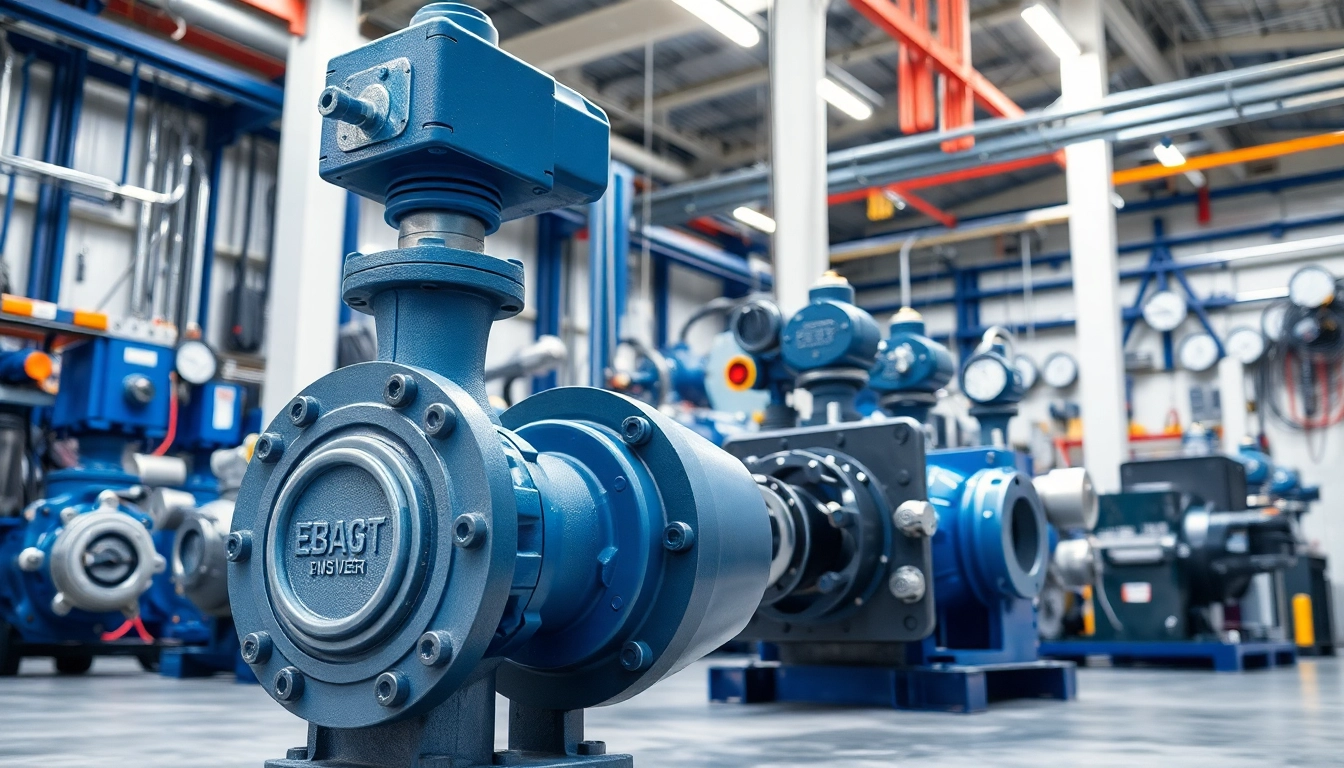
Introduction to Fluid Power Systems
Definition and Importance
Fluid power systems consist of hydraulic and pneumatic systems that utilize pressurized fluids for various mechanical functions. These systems are pivotal in providing power for numerous applications, leveraging either liquid (hydraulic) or gas (pneumatic) as the working medium. The effectiveness and versatility of fluid power systems make them indispensable in industries such as manufacturing, construction, and aerospace, enabling tasks ranging from simple lifting to complex machinery operation.
Key Components Overview
Fluid power systems are composed of essential components that work in harmony to execute their functions. These include:
- Pumps: Generate flow by converting mechanical energy to fluid energy.
- Valves: Control the direction, flow, and pressure of the fluid within the system.
- Actuators: Convert hydraulic or pneumatic energy into mechanical movement.
- Reservoirs: Store fluid until it is needed for operation.
- Filters: Remove contaminants from the fluid, ensuring the longevity and efficiency of the system.
Applications Across Industries
The applications of fluid power systems span a vast range of industries. In construction, hydraulic systems are employed in excavators and cranes, enabling heavy lifting. In manufacturing, pneumatic systems drive automated assembly lines, enhancing efficiency and productivity. The aerospace sector relies on hydraulic systems for critical flight controls, ensuring precision and safety. Essentially, fluid power systems enable a plethora of processes, making them a backbone of modern industrial operations.
Types of Fluid Power Systems
Hydraulic Power Systems
Hydraulic power systems utilize incompressible liquids, typically oil, to transmit power. These systems function on Pascal’s principle, where pressure applied at any point in a confined fluid is transmitted undiminished. Hydraulic systems excel in delivering high power density, making them suitable for heavy-duty applications. Their ability to generate significant force from relatively small components is a major advantage.
Pneumatic Power Systems
Pneumatic power systems, on the other hand, use compressed air or gas to transmit energy. They are often preferred in applications requiring rapid movement and light weights, such as packaging machines and conveyor systems. While pneumatic systems are typically less powerful than hydraulics, their quick response times and simplicity make them an attractive option for many applications.
Comparing Hydraulics and Pneumatics
When comparing hydraulic and pneumatic systems, various factors come into play:
- Power Output: Hydraulic systems can generate far greater force due to the incompressibility of liquids, making them ideal for heavy machinery.
- Speed and Responsiveness: Pneumatic systems are faster to respond and cycle, which is beneficial for applications requiring quick movements.
- Maintenance: Pneumatic systems generally require less maintenance and are easier to troubleshoot, whereas hydraulic systems may demand more attention to leak prevention and oil management.
Benefits of Fluid Power Systems
Efficiency and Power Density
Fluid power systems are renowned for their efficiency and power density. By utilizing pressurized fluids, these systems can transmit large amounts of energy through compact components. This makes them ideal for applications where space is a constraint. Furthermore, the energy losses in hydraulic systems are minimal, allowing for more effective power delivery during operation.
Control and Precision
The ability to control motion with precision is another advantage of fluid power systems. Hydraulic systems, for instance, offer precise control over force and speed, facilitating the execution of complex tasks such as position control in robotics. Pneumatic systems, while typically less precise, can still provide sufficient control for many applications, particularly in assembly lines.
Flexibility in Design
Fluid power systems are notably flexible in design. They can be configured in myriad ways to suit diverse applications, whether in mobile machines, industrial equipment, or aircraft. This design flexibility allows engineers to customize systems to meet specific requirements and integrate them seamlessly into existing setups.
Common Challenges in Fluid Power Systems
Leakage and Maintenance Issues
One of the primary challenges faced by fluid power systems is leakage, which can lead to reduced performance and increased costs. Regular maintenance is crucial to prevent and address these issues. Implementing a preventive maintenance program can greatly reduce the risk of leak-related failures and prolong the lifespan of the system.
Temperature Effects on Performance
Temperature changes can significantly affect the performance of fluid power systems. Hydraulic fluids can become less viscous in high temperatures, resulting in inadequate lubrication and potential system failure. Similarly, in cold weather, the fluid may thicken, leading to sluggish operation. Selecting the appropriate fluid and maintaining optimal operating temperatures is vital to ensure system efficiency.
Contamination Management
Contamination from dirt, moisture, and particulates can severely impact the performance and reliability of fluid power systems. Effective filtration systems can mitigate these risks. Regular monitoring and sampling of fluid should be performed to detect and control contamination levels within the system.
Future Trends in Fluid Power Systems
Sustainable Solutions and Innovations
The future of fluid power systems is leaning towards sustainability and innovation. With increasing demand for energy-efficient solutions, many manufacturers are investing in developing fluids that reduce energy consumption and environmental impact. Furthermore, advancements in biomimetic designs and materials aim to create more efficient fluid power systems.
Integration with Smart Technologies
The integration of smart technologies and automation into fluid power systems is reshaping traditional operations. Sensors and IoT devices provide real-time monitoring of system performance, enhancing maintenance strategies and reducing downtime. This smart integration not only improves efficiency but also opens doors to predictive maintenance, allowing for proactive intervention before failures occur.
Case Studies: Real-World Applications
Examining real-world applications of fluid power systems reveals how they adapt to contemporary challenges. For instance, in the automotive sector, hydraulic presses utilized in manufacturing increasingly leverage energy-efficient systems. Similarly, in agriculture, pneumatic systems are employed in seed planting and pesticide spraying, showcasing the versatility of these systems across various fields.
FAQs about Fluid Power Systems
What are fluid power systems?
Fluid power systems employ fluids under pressure to transmit power and control machinery, utilizing either hydraulic (liquid) or pneumatic (gas) forms.
What is the difference between hydraulic and pneumatic systems?
Hydraulic systems use incompressible fluids to transmit energy, providing higher power density, while pneumatic systems utilize compressed air for lighter, faster applications.
What are common applications of fluid power systems?
Fluid power systems are used in numerous applications, including construction machinery, automated manufacturing systems, aerospace technologies, and agricultural equipment.
How can leakage be prevented in fluid power systems?
Leakage can be minimized through regular maintenance, selecting high-quality seals and components, and implementing rigorous monitoring protocols.
What role does temperature play in fluid power systems?
Temperature affects fluid viscosity, which can impact performance. Managing operating temperatures and selecting appropriate fluids is crucial for optimal functionality.
Contact Information
Call Us: 780.452.2876Email: [email protected]Address: 13111 159 Street Edmonton, AB T5V 1H6