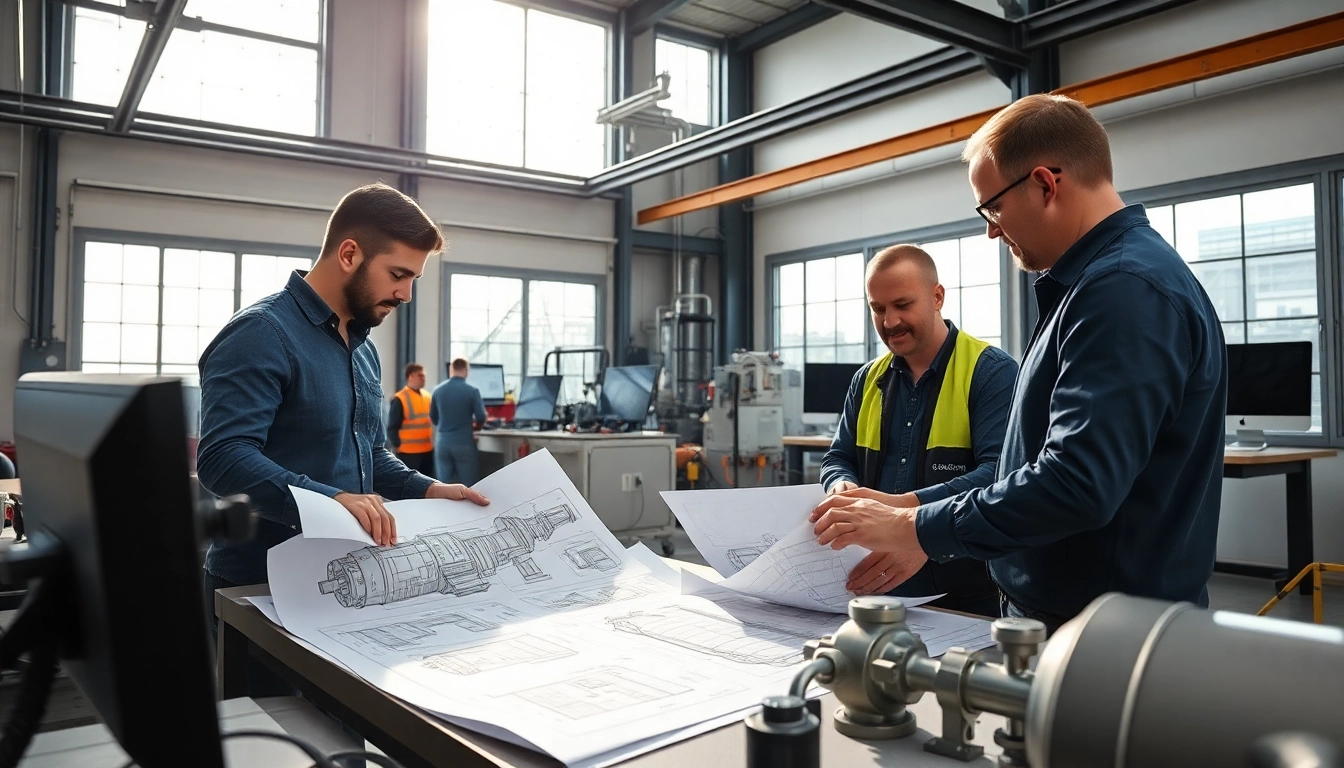
Understanding the Basics of Pressure Vessel Design
Pressure vessel design is a critical aspect of engineering that ensures the safe containment of fluids under pressure. These vessels often play a vital role in various industrial applications, such as chemical processing, oil and gas, and energy generation. A comprehensive understanding of their design principles is essential for engineers to guarantee safety and efficiency. This guide will delve into the intricacies of Pressure Vessel Design, covering definitions, types, materials, and more that are fundamental to the field.
What is Pressure Vessel Design?
A pressure vessel is a container designed to hold gases or liquids at a pressure substantially different from the ambient pressure. The design of such vessels is a precise science, involving calculations around intended use, maximum operating pressures, safety factors, and manufacturing materials. Understanding how each of these elements interacts within a vessel is crucial for preventing catastrophic failures.
Common Types of Pressure Vessels
Pressure vessels come in various shapes and configurations, each suited to particular applications:
- Cylindrical Vessels: The most common shape, often used in storage applications.
- Spherical Vessels: Known for their ability to withstand higher pressures, they are often used in high-pressure gas storage.
- Vertical and Horizontal Vessels: Their orientation can depend on the application, with vertical vessels often saving space in facilities.
- Heat Exchangers: Used to transfer heat between fluids, they require special design considerations due to constant temperature changes.
Key Materials Used in Pressure Vessel Construction
The choice of materials for pressure vessel construction significantly impacts performance and safety. Common materials include:
- Carbon Steel: Widely used for its strength and durability.
- Stainless Steel: Common in corrosive environments due to its corrosion resistance.
- Composite Materials: Gaining popularity for their light weight and ability to withstand high pressures.
Fundamental Design Principles for Pressure Vessels
Factors Influencing Design Specifications
Several factors must be considered when designing a pressure vessel, including:
- Operating Pressure and Temperature: Must be defined early in the design process.
- Fluid Characteristics: The nature of the contained fluid can affect material choice and vessel shape.
- Environmental Conditions: External factors such as seismic activity must be taken into account.
- Manufacturing Process: The feasibility of manufacturing the design must also be considered, influencing vessel shape and material.
Safety Standards and Regulatory Compliance
Safety is paramount in pressure vessel design. Compliance with industry standards, such as the ASME Boiler and Pressure Vessel Code (BPVC), is crucial. These codes provide guidelines on materials, design processes, inspection, and testing, ensuring that vessels can safely operate under specified conditions. Regular inspections and certifications are required to maintain compliance and ensure operational safety.
Essential Design Calculations and Simulations
Accurate calculations are fundamental to pressure vessel design. Key calculations include:
- Wall Thickness Calculation: Determines how thick the vessel walls must be to withstand internal pressures.
- Safety Factor Determination: To ensure that vessels can handle unexpected stresses.
- Thermal and Structural Analysis: Used to simulate how the vessel will perform under varying conditions.
Advanced Techniques in Pressure Vessel Design
Innovative Modeling Software for Design Optimization
Utilizing advanced software tools has revolutionized pressure vessel design. Programs such as AutoCAD, SolidWorks, and specialized pressure vessel design software enable engineers to model designs accurately, simulate performance, and optimize for material usage and cost efficiency. These tools help in visualizing the final product before any physical construction begins, reducing errors and improving design efficacy.
Case Studies: Successful Pressure Vessel Implementations
Examining real-world case studies reveals practical applications of pressure vessel design. Successful implementations have been observed in sectors such as chemical manufacturing, where custom-designed vessels allow for safe and efficient transport of volatile materials. Each case provides insights into challenges faced and the innovative solutions applied, such as using advanced composite materials to enhance strength without increasing weight.
Emerging Trends in Designing Pressure Vessels
Innovation in materials and technologies is constantly advancing the field of pressure vessel design. Current trends include:
- Use of Smart Materials: These adapt to changes in pressure or temperature, enhancing safety and efficiency.
- 3D Printing: This technology allows for rapid prototyping and the creation of complex shapes without traditional manufacturing constraints.
- Integration of IoT: Allows real-time monitoring and data collection, enabling predictive maintenance and improving safety standards.
Challenges and Solutions in Pressure Vessel Design
Common Design Challenges Faced by Engineers
While engaging in pressure vessel design, engineers often encounter challenges such as:
- Material Limitations: Selecting the right materials that meet design and safety requirements while staying within budget.
- Regulatory Compliance: Maintaining up-to-date knowledge of changing regulations can be daunting.
- Complex Geometries: Balancing functionality with manufacturability when intricate designs are required.
Strategies for Addressing Design Limitations
Effective strategies can mitigate challenges in pressure vessel design:
- Continuous Education: Regular training and certification help engineers keep pace with technological advancements.
- Collaboration with Suppliers: Working closely with material suppliers ensures access to the latest technologies and materials.
- Utilizing Advanced Simulation: Early detection of potential design flaws can prevent costly rework.
Best Practices from Industry Leaders
Learning from industry leaders provides invaluable insights into effective practices in pressure vessel design. Some best practices include:
- Standardization of Designs: This facilitates consistency in manufacturing and compliance.
- Emphasis on Safety Culture: Prioritizing safety at all levels of operation reduces risks associated with pressure vessels.
- Regular Training and Drills: Keeping workers knowledgeable about safety procedures can drastically improve safety outcomes.
Future Directions in Pressure Vessel Design
Technological Advancements Impacting Design Processes
The future of pressure vessel design is being shaped by technological advancements. Trends such as artificial intelligence in predictive modeling and machine learning for performance improvements are emerging. These technologies can optimize the design process and enhance safety profiles significantly.
Regulatory Changes and Their Implications
As the industry evolves, so too do regulations surrounding pressure vessel design. Engineers must stay informed about these changes, as they often introduce new safety requirements and compliance guidelines. Proactive adaptation to these regulations is essential for avoiding penalties and ensuring continuous operational safety.
Preparing for the Future: Training and Skill Development
To thrive in the dynamic landscape of pressure vessel design, professionals must engage in ongoing training and skill development. This includes not only technical skills but also soft skills, such as teamwork and project management, which are essential for successful multidisciplinary projects. Preparing the next generation of engineers is vital for maintaining safety and efficiency in the industry.
Frequently Asked Questions
1. What is the basic pressure vessel design?
Pressure vessels can be any closed vessel capable of holding a pressurized fluid. The most common design is a cylinder closed at both ends, often with hemispherical end caps known as heads.
2. What materials are typically used in pressure vessel construction?
Common materials include carbon steel for its strength, stainless steel for corrosion resistance, and composite materials for weight efficiency and strength at high pressures.
3. What safety standards must pressure vessels meet?
Pressure vessels typically need to comply with the ASME Boiler and Pressure Vessel Code, which includes guidelines on materials, design, and operational safety.
4. How is the wall thickness of a pressure vessel determined?
The wall thickness is calculated based on the intended operating pressure, the material's yield strength, and safety factors to ensure the vessel can safely contain the pressure without failure.
5. What role does simulation play in pressure vessel design?
Simulation allows engineers to model the pressure vessel design under various conditions to identify potential flaws and optimize performance before physical production starts.